


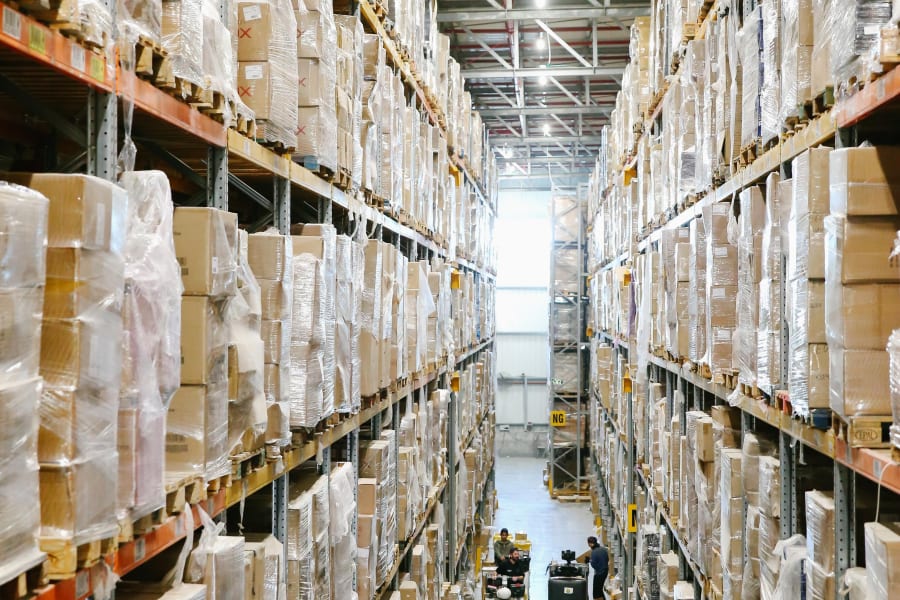
Shared container (LCL)
Your goods share space with other cargo. It is an option for boxes, pallets, partial purchases and restocking from Miami. We can gather purchases from several suppliers before shipment.
LCL / FCL guide
Shared LCL container or full FCL container: we explain what each option means, how they differ and how to decide which one suits your ocean shipment from Miami to Honduras.
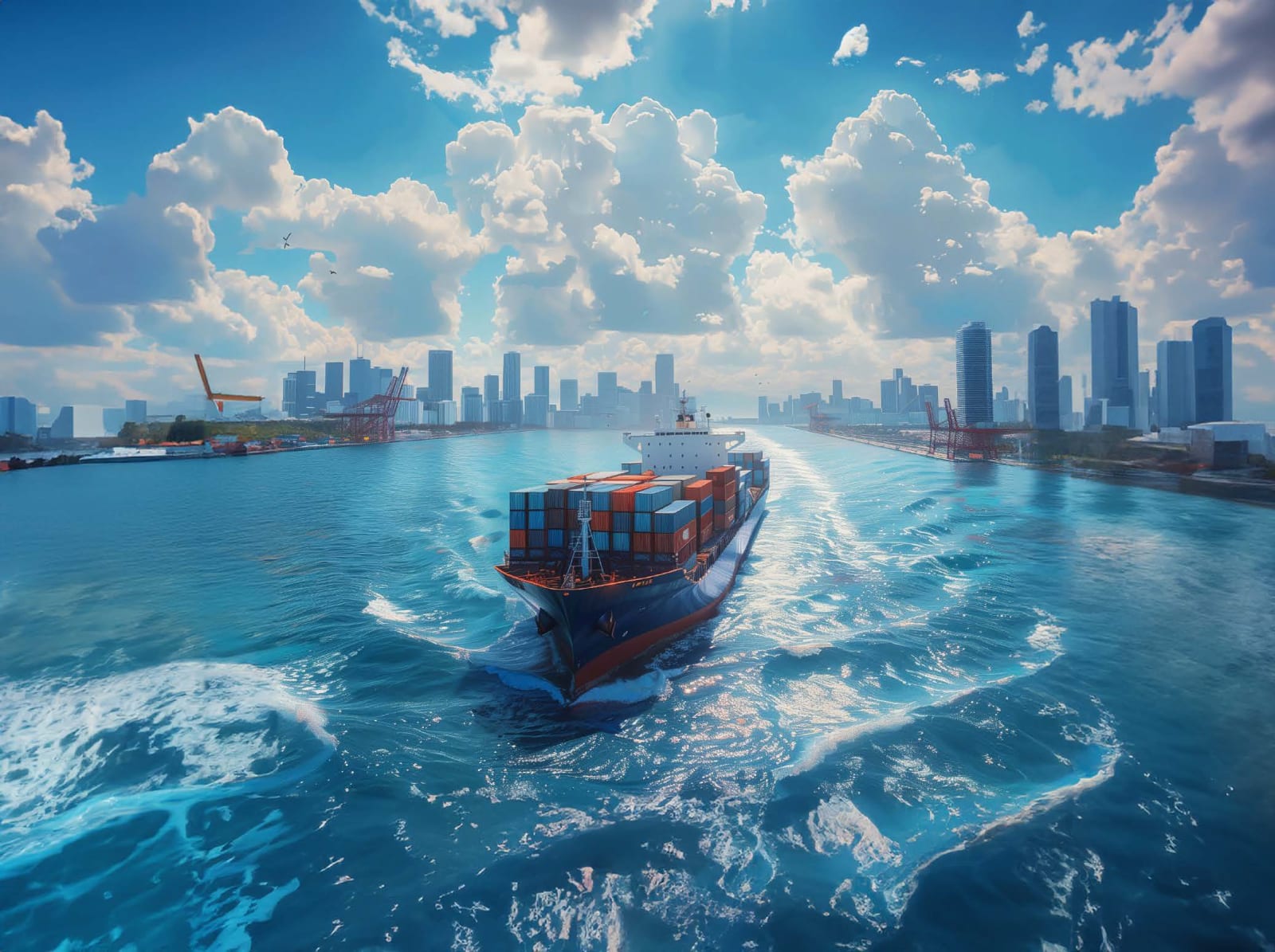
LCL stands for Less than Container Load: a shared container. Your goods travel in the same container as those of other companies and take up only part of the space.
FCL stands for Full Container Load: a full container. The container is reserved for your goods, even if you do not fill it.
Both options are part of our ocean freight service from Miami to Honduras. This guide helps you choose between them.
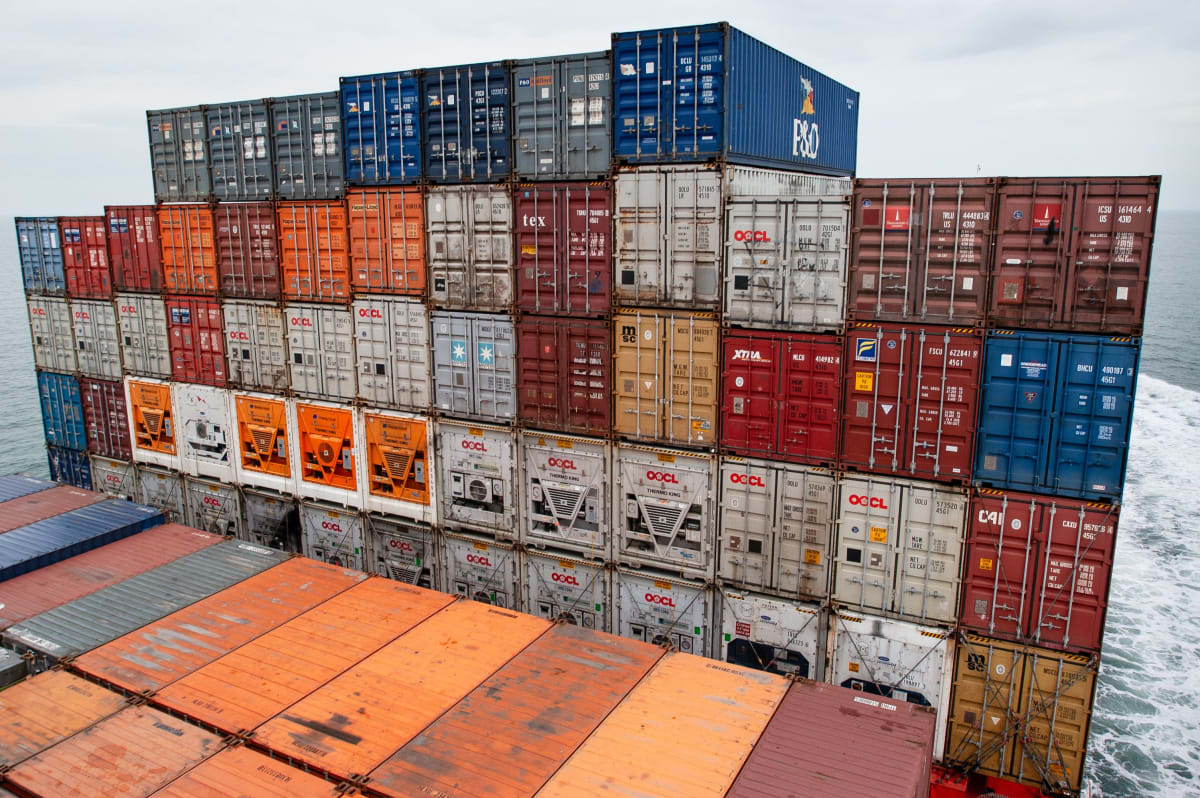
Your goods share space with other cargo. It is an option for boxes, pallets, partial purchases and restocking from Miami. We can gather purchases from several suppliers before shipment.
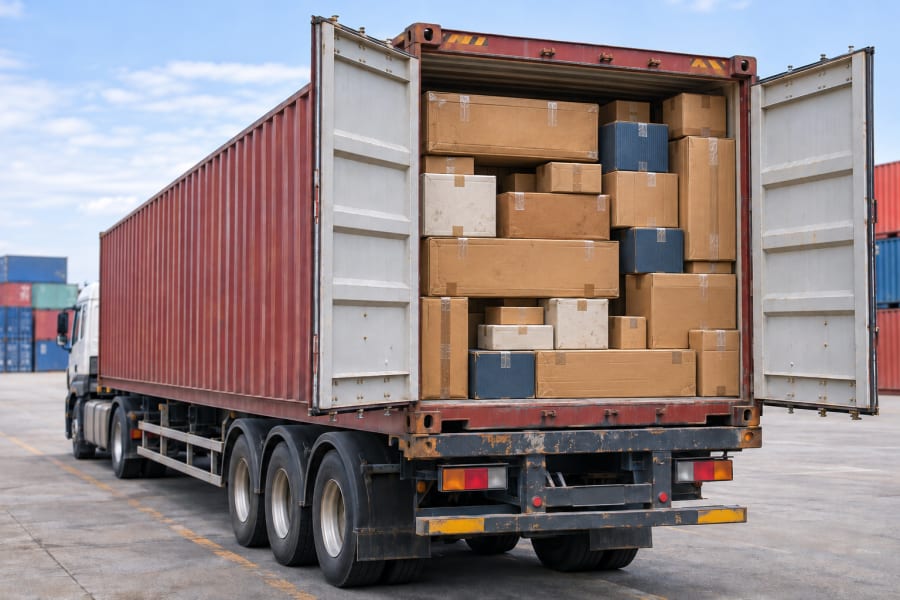
The container is reserved for your goods. You do not need to fill it completely to book it. We compare volume, weight, handling, route and total cost to recommend the right option.
Shared LCL container or full FCL container, depending on your operation.
| Shared container (LCL) | Full container (FCL) | |
|---|---|---|
| Space | You share the container with other cargo | The container is reserved for your goods |
| Typical cargo | Boxes, pallets, partial purchases and restocking | Larger volumes, equipment, machinery and vehicles |
| Departures from Miami | Weekly | As scheduled |
| Handling | Your goods are consolidated with other cargo at the warehouse | Exclusive use of the container, with less handling |
| Do you have to fill it? | You take up only the space of your cargo | You do not need to fill it completely to book it |
| Several suppliers | We can gather your purchases before shipment | We can consolidate your purchases at the warehouse before loading |
Choose LCL if you are shipping a few boxes or some pallets. Compare with FCL when your cargo takes up a good part of a container, or is delicate, heavy or bulky and needs less handling. These factors help you decide:
A few boxes or some pallets usually travel as LCL. When the cargo takes up a good part of a container, it is worth comparing with FCL.
With LCL the goods are consolidated with other cargo. With FCL the container is for your exclusive use, which reduces the handling of delicate, heavy or bulky pieces.
LCL departs every week from Miami. FCL is scheduled for your operation. The receiving cutoff is confirmed for each shipment.
Do not decide on freight alone. We compare volume, weight, handling, route and total cost to recommend the right option.
A partial load that does not justify booking a container usually travels as LCL, on one of the weekly departures from Miami.
If your orders reach Miami on different dates, we receive them at the warehouse and gather them before shipment. Depending on the final volume, they travel as LCL or FCL.
When the goods take up a good part of a container or are best kept together, we compare the total cost of LCL against FCL.
We arrange their transport in containers depending on their characteristics and acceptance. For oversized cargo we assess open top or flat rack.
In Miami, the LCL or FCL quote generally includes reception, warehouse handling, consolidation, temporary storage, container loading and shipment documentation. The proposal details the scope and the applicable charges.
Commercial cargo requires import procedures and payment of the corresponding taxes. You can use your own customs broker or request coordination with the Marco Tulio Gutiérrez agency in Honduras. The quote states the services included and the items payable separately.
SOLBOX USA Corp holds an NVOCC license from the United States Federal Maritime Commission (FMC): we contract transport with the shipping lines and issue our own bill of lading.
Learn about LCL and FCL ocean freightGuide updated in November 2026.
With LCL your goods share the container with other cargo and take up only part of the space. With FCL the container is reserved for your goods, even if you do not fill it. The choice depends on the volume, weight, handling and total cost of each option.
LCL is an option for boxes, pallets and partial purchases: your goods share the container with other cargo. FCL reserves the container for your cargo and you do not need to fill it completely. We compare volume, weight, handling and total cost to recommend the right option.
No. FCL reserves the container for your cargo, even if it does not use all the space. If the volume is low, we compare it with LCL based on volume, weight, handling and total cost, so you can see which suits you before confirming the shipment to Honduras.
Yes. A pallet can be assessed for LCL from Miami as a partial load. Our warehouse receives pallets without an appointment, at the dock and with forklifts of up to 5,000 lb, from 9:00 a.m. to 6:00 p.m., Miami time. To get a quote, share dimensions, weight and type of goods.
From Miami to Honduras we operate weekly LCL departures, while FCL containers leave as scheduled. The receiving cutoff is confirmed for each shipment, so it helps to request a quote early. After departure, the usual ocean transit is 10 to 15 business days until the cargo is available for pickup after customs.
Yes. Our Miami warehouse receives your goods and the first 30 days of storage are free while they wait for shipment. After that, the charge depends on whether it is a box or a pallet. Long-term inventory storage is a separate service: our 3PL in Miami.
Quote request
Tell us what you need to ship, where your goods are and where in Honduras they need to arrive. Our team will review your operation and contact you to prepare the quote.

 Quote request